How to Reduce Patio Heat by 20 Degrees

To reduce patio heat by 20 degrees in the San Fernando Valley, combine shade, airflow, and cooler surfaces instead of relying on one fix. The biggest gains usually come from blocking direct sun first, then adding fans, misters, and heat-smart materials.
If you live in the San Fernando Valley, you already know a patio can go from pleasant to punishing fast once the sun hits. The good news: with the right mix of shade, airflow, and heat-smart surfaces, it is realistic to make an outdoor space feel dramatically cooler—sometimes close to that “20 degrees better” target people are really asking for.
- Shade first: Overhead coverage is the fastest way to improve comfort.
- Airflow matters: Fans help more once the sun is blocked.
- Cooler surfaces help: Light rugs and finishes reduce heat soak.
- Permanent upgrades win: Patio covers and awnings usually outperform temporary fixes.
- Combine solutions: Layering changes is the best path to a big temperature drop.
Why San Fernando Valley Patios Run So Hot in 2026
How valley heat, sun exposure, and reflected surfaces amplify patio temperatures
SFV patios get hit with a tough combo: long afternoon sun, dry heat, and surfaces that soak up and bounce back warmth. Concrete, stucco walls, glass doors, stone pavers, and even dark furniture can trap heat and make a patio feel hotter than the weather report suggests.
That is especially true in neighborhoods with less tree cover or west-facing backyards. By late afternoon, the patio may be taking direct sun plus reflected heat from nearby walls, fences, and hardscape.
Reader intent: what local homeowners really mean by “reduce patio heat by 20 degrees”
Most people are not asking for a scientific lab reading. They want the patio to feel usable again for dinner, kids playing outside, grilling, or weekend hangouts.
In practice, “reduce patio heat by 20 degrees” usually means lowering the felt temperature with shade and airflow, not just changing the thermometer. That is a more realistic goal for most San Fernando Valley homes, renters, and condo patios.
In dry Valley heat, shade can feel like a bigger upgrade than a cooling gadget because it stops surfaces from heating up in the first place.
Fast Wins to Cool a Patio Before Guests Arrive
Shade first: umbrellas, sail shades, and temporary canopy setups
If you need fast relief, start overhead. A large market umbrella, shade sail, or pop-up canopy can cut direct sun quickly and make the patio usable the same day.
For SFV homes, aim to block the sun angle that hits hardest in the late afternoon. A temporary setup is especially helpful for renters, apartment patios, and families who want a low-commitment fix before summer BBQ season.
If your patio faces west, prioritize afternoon coverage over all-day coverage. In the Valley, that late-day sun is usually the one that ruins seating time.
Surface fixes: outdoor rugs, cooler deck materials, and heat-reflective covers
Hot surfaces make a patio feel worse even when the air is not at its peak. Outdoor rugs can take the edge off bare concrete, and light-colored covers can reduce how much heat furniture and built-in benches absorb.
If you are replacing materials later, lighter pavers, wood-look composite decking, and cooler-toned finishes usually feel more comfortable than dark stone or deep brown surfaces. For more patio setup ideas, the Backyard Patio section has related local tips.
Low-cost airflow tricks for afternoon and evening use in SFV homes
Air movement matters more than many people expect. A simple box fan, oscillating fan, or wall-mounted fan can make the patio feel noticeably less stagnant, especially once the sun starts dropping.
For evening use, open up pathways so air can move through the patio instead of getting trapped behind planters, storage bins, or bulky furniture. Even small changes can help the space feel less oven-like.
Best Permanent Shade Solutions for SFV Outdoor Living
Retractable awnings vs. pergolas vs. insulated patio covers
Permanent shade is where the biggest comfort gains usually come from. Retractable awnings are great if you want flexibility, pergolas offer a stylish framework with adjustable coverage, and insulated patio covers are often the strongest option for blocking heat overhead.
| Option | Best For | Note |
|---|---|---|
| Retractable awning | Flexible shade for patios and decks | Good when you want sun sometimes and shade when needed |
| Pergola | Style plus partial shade | Works best with canopy fabric, vines, or added panels |
| Insulated patio cover | Maximum heat reduction | Usually the most effective for direct sun and long summer afternoons |
How each option performs in direct sun, wind, and heat retention
Retractable awnings are convenient, but they can be more wind-sensitive and do less for side glare. Pergolas look great and can soften the space, but unless you add a roof panel, shade cloth, or vines, they may not block enough heat on their own.
Insulated patio covers tend to perform best in direct sun because they stop heat before it reaches the seating area. They are also usually the most dependable for long afternoon use, though the final result depends on orientation, materials, and installation quality.
Buying tips for HOA rules, permits, and sun orientation in the Valley
Before buying, check HOA rules, city permit requirements, and whether the structure fits your lot and setback conditions. In the Valley, orientation matters a lot: a cover that works well for a north-facing patio may not be enough for a west-facing one.
- How much afternoon sun the patio gets
- Whether your HOA limits visible structures
- Wind exposure during Santa Ana conditions
- Drainage and roof runoff
- Whether you want full shade or partial light
Cooling the Air Around the Patio: Fans, Misters, and Evaporative Help
When ceiling fans work better than pedestal fans
If your patio has a covered structure, a ceiling fan is usually the cleaner and more effective option. It moves air across the whole seating area without taking up floor space or getting in the way of kids, pets, and serving tables.
Pedestal fans are better for flexible setups, but they are more limited and can feel less powerful in open, breezy spaces. If you already have a cover, a ceiling fan is often the better long-term upgrade.
Misting systems in dry Valley heat: where they help and where they fall short
Misters can work well in dry heat because evaporation helps cool the air. That said, they are not magic. In very hot conditions, they can make a patio more comfortable, but they will not fully overcome direct sun or a heat-soaking concrete slab.
They also need thoughtful placement. If the mist drifts onto furniture, electronics, or slippery surfaces, the comfort boost can turn into a hassle fast.
During smoky days, high-pollen periods, or dusty Santa Ana conditions, outdoor cooling can feel less effective. Keep filters, fans, and surfaces clean so you are not just moving hot dust around.
Product comparison: budget, midrange, and premium cooling setups
There is no single best setup for every SFV patio. Budget solutions usually rely on a strong umbrella plus one fan, midrange setups add better shade and smarter airflow, and premium setups combine structural shade with fans and misters.
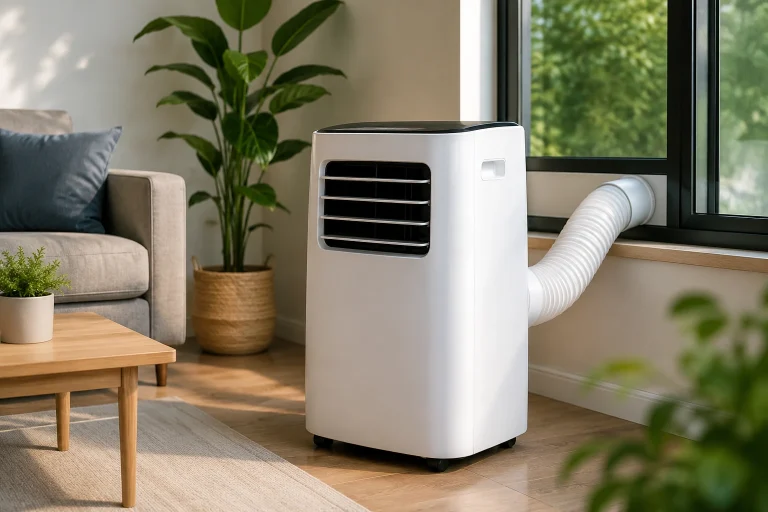
If you are deciding between fan types for a covered patio, our guide on how portable air conditioners work can also help you think through when cooling the space itself makes sense versus just moving air around.
Landscaping and Hardscape Choices That Lower Heat at Home
Tree placement, vines, and privacy screens that create usable shade
Landscaping is one of the most overlooked ways to reduce patio heat over time. A well-placed tree can shade the patio edge, while vines on a trellis or screen can soften reflected heat from fences and walls.
For SFV yards, the goal is usable shade without creating a maintenance headache. Drought-aware species and smart placement matter more than trying to build a jungle in a dry climate.
Why concrete, stone, and dark pavers can make patios feel hotter
Hardscape choice has a big effect on comfort. Dark pavers, dense stone, and large concrete areas absorb heat during the day and release it later, which is why some patios still feel hot well into the evening.
Lighter finishes, more planting, and a mix of surfaces can help break up that heat load. Even a partial change can improve how the space feels underfoot and around your seating area.
Local-friendly plant and material choices for drought-aware SFV yards
Look for plants that can handle sun, heat, and lower water use once established. Pair them with shade trees or trellised vines where possible, and keep the most heat-sensitive seating away from the hardest reflective surfaces.
What works in one Valley yard may not work in another. A small, walled patio in Sherman Oaks may hold heat differently than a more open yard in the western SFV.
Outdoor Furniture, Fabrics, and Accessories That Stay Cooler
Which materials heat up fastest in direct sun
Metal arms, dark plastic, black cushions, and glass tabletops can get uncomfortable fast in direct sun. Even when they look sleek, they may be the first things that make people stop sitting outside.
Light-colored fabrics and breathable materials usually stay more comfortable, especially during long summer afternoons. That matters for family patios where kids are climbing on and off furniture all day.
Best seat cushions, umbrellas, and covers for family patios and weekend BBQs
For family use, choose cushions that dry quickly, resist fading, and are easy to wipe down after dust or food spills. A larger umbrella with UV protection can also make a big difference over dining tables and play areas.
If your patio is used for BBQs, look for covers that can handle grease splatter, sun exposure, and frequent moving. The best choice is the one you will actually use every week, not just the one that looks good in a catalog.
For SFV patios, prioritize light-colored, quick-dry cushions and UV-resistant umbrella fabric before spending on decorative extras. Comfort usually comes from staying out of direct sun, not from fancy accessories.
How to choose durable products that handle dust, UV, and Santa Ana conditions
Dust and UV are constant issues in the Valley, so durability matters. Look for easy-clean surfaces, rust-resistant frames, and materials that will not fade or crack after one brutal season.
During windy periods, lighter accessories should be secured or stored. A great patio setup is one that still looks decent after a dusty week and does not become a cleanup project every time the wind picks up.
Realistic Ways to Reach a 20-Degree Drop on an SFV Patio
Combining shade, airflow, and surface changes for measurable results
The biggest temperature drop usually comes from stacking several smaller fixes instead of relying on one product. Shade cuts solar gain, airflow makes the space feel less stagnant, and cooler surfaces reduce the heat you feel from below and around you.
That is why a patio with an umbrella, fan, light rug, and lighter furniture can feel far better than a bare patio with a single misting nozzle. The combined effect is what gets you closer to a meaningful comfort change.
That order matters more than buying the most expensive gadget first.
Example setups for small apartments, single-family backyards, and poolside patios
For a small apartment patio, a shade sail or umbrella plus a compact fan is often the fastest win. For a single-family backyard, an awning or patio cover plus a ceiling fan can make the biggest difference.
Poolside patios often need a mix of shade and surface control because water glare and reflected light can make the area feel even hotter. In those spaces, light materials and overhead coverage matter a lot.
What to expect during peak summer afternoons versus evening use
Midday and late-afternoon heat are the hardest to beat, especially when the sun is still high and surfaces are fully charged. Evening use is usually easier, and a good setup can make the space feel far more comfortable once the sun drops.
If your goal is family dinners, grilling, or a place to sit after work, focus on the hours you actually use the patio most. A setup that is perfect at 8 p.m. but miserable at 5 p.m. is not really solving the problem.
Final Practical Recap: The Best Patio Cooling Plan for San Fernando Valley Homes
Top priority upgrades by budget and patio type
If you want the biggest comfort gain for the least money, start with shade and airflow. If you want the best long-term result, pair permanent overhead shade with a fan and cooler surfaces.
Renters and apartment residents should lean on temporary shade, rugs, and portable fans. Homeowners with more flexibility can get much better results from a patio cover, pergola upgrade, or insulated overhead structure.
Quick checklist for families planning summer gatherings, grilling, and everyday outdoor use
Before your next backyard get-together, check the sun angle, seating layout, and whether your most-used area has enough overhead coverage. Small upgrades can go a long way when the Valley heat is pushing hard.
For more local outdoor comfort ideas, browse the Heat Protection & Comfort section for practical ways to handle hot-weather living beyond the patio.
Common Questions
Start with shade, then add a fan. Blocking direct sun usually gives the quickest comfort boost.
Yes, especially in dry heat. They work best with shade and proper placement.
Sometimes, but not always. Many patios need added fabric or panels for real heat relief.
Dark stone, concrete, and metal furniture heat up fast. Light materials usually stay more comfortable.
Yes. Temporary shade, rugs, and portable fans can make a big difference without permanent changes.
Recommended Products
SHOP THIS SETUP
Coolaroo 90% UV Block Shade Sail, Rectangle
This shade sail is one of the most effective ways to make a patio feel dramatically cooler because it blocks direct sun before it hits your seating area. For San Fernando Valley homes dealing with long, hot afternoons, it’s a practical, low-maintenance upgrade that can noticeably reduce radiant heat without needing electricity.
Frequently Asked Questions
Use layered fixes: shade overhead, a fan for airflow, and lighter surfaces underfoot. That combination is usually more effective than buying one expensive product.
West-facing patios usually need stronger afternoon protection than other orientations. Retractable awnings, insulated covers, or well-placed shade sails tend to work better than light coverage alone.
Yes, especially over concrete or stone. They do not cool the air, but they can make the space feel less harsh and more comfortable.
If you have a covered patio, a ceiling fan is usually better because it covers the whole seating area. Pedestal fans are more flexible but less seamless.
Light-colored, UV-resistant, quick-dry materials usually perform better than dark metal or dense plastic. Cushions and covers matter just as much as the frame.
Yes, especially if you use trees, vines, or screens to block direct sun and reflected heat. It is a slower fix, but it can improve comfort for years.