How to Cool a Pergola in Summer

In the San Fernando Valley, the best way to cool a pergola in summer is to combine shade, airflow, and side sun control. Start with UV-resistant materials and a layout that blocks the harsh afternoon sun without trapping hot air.
When a pergola turns into a heat trap by noon, the problem usually isn’t just the shade structure itself. In the San Fernando Valley, strong sun, dry air, and hot reflected surfaces can make even a nice backyard setup feel uncomfortable fast. The good news: you can cool a pergola in summer without tearing everything out and starting over.
- Best approach: Use layered shade plus fans, not just one fix.
- Valley priority: Block late-afternoon sun from the west side.
- Material choice: Pick UV-resistant, heat-tolerant outdoor products.
- Budget tip: Removable upgrades are a smart first step.
Why Pergola Heat Gets Intense in the San Fernando Valley
SFV summers are a different animal from coastal LA. The Valley gets more direct sun, more lingering heat, and less of the ocean breeze that naturally takes the edge off outdoor spaces. If your pergola sits over concrete, pavers, or a light-colored patio, those surfaces can keep radiating heat long after the sun shifts.
How SFV sun, dry heat, and reflected patio surfaces make pergolas hotter by midday
By late morning, the sun angle in the Valley can hit pergola openings hard, especially if the structure has slats or partial coverage. Dry heat also makes shade feel less forgiving because there’s less natural cooling from humidity or wind. Add in reflected heat from walls, fences, grills, or pool decking, and the whole area can feel warmer than the forecast suggests.
In the SFV, a shaded patio can still feel hot if the ground and surrounding surfaces are storing sunlight all day. That’s why overhead shade alone is often not enough.
Why backyard shade that works in coastal LA often falls short in the Valley
What feels fine in Santa Monica or Torrance may not hold up in North Hollywood, Granada Hills, or Van Nuys. Coastal areas often get cooler air movement and lower peak heat, so lighter shade solutions can seem “good enough.” In the Valley, homeowners usually need a stronger mix of overhead shade, side coverage, and airflow to stay comfortable.
What SFV Homeowners Want From a Cooler Pergola in Summer
Most people in the Valley are not trying to create a fully air-conditioned outdoor room. They want a space that stays usable for real life: lunch outside, a little grilling, a birthday get-together, or a place where kids can play without everyone melting. That means the best solution is usually practical, flexible, and not overly fussy.
Family gatherings, weekend grilling, and kid-friendly shade
For families, the goal is simple: keep the patio usable when the kids are home and the grill is going. A pergola that blocks direct sun can make a huge difference, but if it still traps heat, people will migrate back inside. Families often do best with adjustable shade plus a fan or two, especially during peak afternoon hours.
Comfort for remote work, outdoor dining, and evening entertaining
More Valley residents are using outdoor spaces during the day for laptop work, calls, or casual meals. In that case, glare control matters almost as much as temperature. Evening hosting is another story: once the sun drops, a pergola can feel much better, but lingering heat from the patio can still make the space sticky until the area cools off.
How to balance cooling, privacy, and airflow in tight Valley lots
Many SFV backyards are close to neighboring windows, side yards, or block walls. That makes privacy important, but too much enclosure can stop airflow and make the pergola hotter. The trick is to add shade where the sun hits hardest while leaving enough open space for breezes to move through.
Best Ways to Cool a Pergola Without Rebuilding the Whole Space
If you already have a pergola, you probably want upgrades that are fast, reversible, and reasonable. That’s the right approach. Most Valley homeowners can get a noticeable comfort boost with covers, curtains, side panels, or a few cooling accessories instead of replacing the entire structure.
Retractable canopies, shade sails, and pergola covers: what works best in peak heat
Retractable canopies are a strong option if you want flexibility. You can pull them out during the hottest part of the day and open them when you want more light. Shade sails can work well too, but they need a smart layout so they actually block the sun instead of just decorating the space.
Permanent pergola covers are useful when you want consistent shade and less hassle. Fabric covers are often the easiest place to start, while more rigid coverings can provide better heat blocking but may reduce the open-air feel. The right choice depends on whether you want maximum cooling or a lighter backyard look.
Outdoor curtains, bamboo panels, and side shading for late-afternoon sun
Late-day sun is one of the biggest reasons a pergola still feels too hot. Side shading helps a lot here, especially on the west and southwest sides where the sun can come in low and harsh. Outdoor curtains, bamboo panels, and slatted side screens can cut glare and give the space a more finished feel.
Side shading works best when it blocks the sun without sealing the pergola in too tightly. If airflow matters most, choose panels or curtains you can open and close as needed.
Misting systems and portable fans for temporary cooling during heat waves
For short-term relief, misting systems and portable fans can make a pergola much more usable during a heat wave. Fans help move hot air out of the space, while misting can lower the perceived temperature when the air is very dry. Just keep in mind that misting is not a cure-all; it works best as part of a bigger setup.
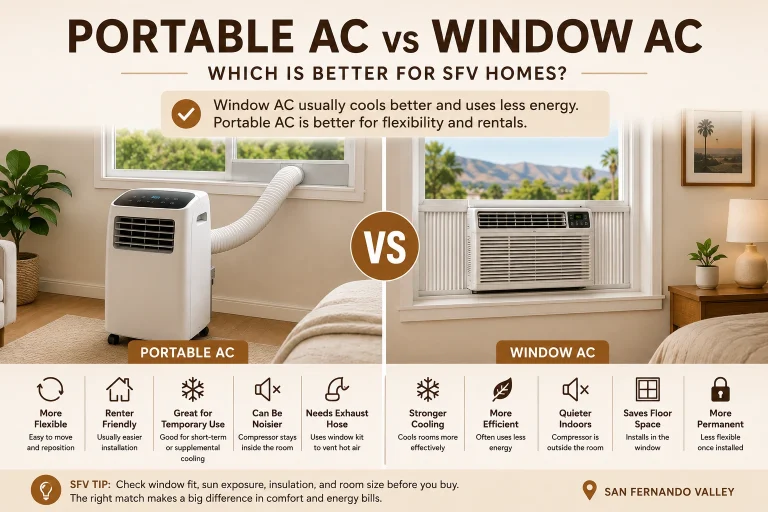
If you want to understand how portable cooling fits into outdoor spaces, our guide to how a portable air conditioner works can help explain what it can and can’t do. For most pergolas, though, a fan plus shade is often the more realistic route.
Product Comparisons for Valley Backyards: Which Cooling Option Fits Your Pergola?
There is no single best answer for every backyard. A good pergola cooling setup depends on how you use the space, how much sun it gets, and whether you want a low-cost upgrade or a more polished year-round solution. Here’s a simple way to compare the most common options.
| Option | Best For | Note |
|---|---|---|
| Fixed shade | Homeowners who want simple, consistent coverage | Reliable, but less flexible when you want more light |
| Retractable shade | People who want control over sun and shade | Great for changing weather, but usually costs more |
| Fabric cover | Budget-conscious shade upgrades | Often affordable, but may need replacement sooner |
| Slatted top | Airflow and a lighter visual look | Better for style than full heat blocking |
| Polycarbonate panels | Stronger rain and sun protection | Can reduce direct heat, but may feel less open |
Fixed shade vs. retractable shade for year-round use in SFV
Fixed shade is the simplest path if your pergola always needs protection from the sun. It is easier to use and usually less annoying day to day. Retractable shade gives you more control, which is helpful in the Valley because the weather can feel very different from morning to evening.
Fabric covers vs. slatted tops vs. polycarbonate panels
Fabric covers are usually the most approachable choice for budget and flexibility. Slatted tops look clean and allow airflow, but they may not block enough sun for peak summer afternoons. Polycarbonate panels can offer more coverage and a more finished feel, though they may not be the best fit if you want a breezy, open pergola.
Budget-friendly upgrades vs. premium motorized systems
Budget-friendly upgrades are usually the smartest first step. They let you test what actually helps before you spend more. Premium motorized systems make sense if you use the pergola often, want cleaner operation, and are willing to pay more for convenience and a more tailored look.
Don’t assume the most expensive option is the coolest one. In the Valley, a well-placed shade panel and a good fan can sometimes improve comfort more than a fancy system that doesn’t match your sun exposure.
Buying Tips for San Fernando Valley Weather and Home Layouts
Before you buy anything, think about the actual conditions your pergola faces. The Valley brings strong UV, hot afternoons, occasional wind, and plenty of dust and smog on rougher air-quality days. Materials and hardware need to handle all of that, not just look nice on installation day.
Choosing UV-resistant, heat-tolerant materials that hold up in 2026 summers
Look for materials that are made to handle sun exposure without fading or breaking down too fast. UV-resistant fabric, powder-coated metal, and weather-friendly outdoor textiles are usually safer bets than cheap materials that look good for one season and then start sagging or cracking.
Checking wind resistance for canyon breezes and afternoon gusts
Some SFV neighborhoods get more breeze than people expect, especially near canyons or open hillside areas. That matters if you’re buying shade sails, curtains, or lightweight covers. If it can flap, lift, or pull loose, you may end up using it less than you planned.
- Sun direction during the hottest part of the day
- How much airflow you want to keep
- Whether the material can handle UV and heat
- How the setup will hold up in wind
- How easy it is to remove or adjust
Measuring pergola size, sun angle, and patio orientation before you buy
Measure carefully before ordering anything. A pergola that looks standard from the backyard gate may have odd dimensions, especially in older Valley homes or remodeled spaces. Also pay attention to the sun angle: a cover that blocks noon sun may still leave the west side exposed in the late afternoon.
What to look for if your pergola sits near a pool, BBQ island, or kitchen pass-through
Near a pool, you’ll want materials that can handle moisture and frequent use. Near a BBQ island or kitchen pass-through, think about heat, grease, and how easy the surface is to clean. In those spots, a low-maintenance setup usually beats a delicate decorative one.
If your pergola gets brutal afternoon sun, a UV-rated retractable shade plus a weather-resistant fan is one of the most practical SFV-friendly combinations. It gives you control without locking you into one all-day setup.
How to Improve Cooling With Landscaping and Outdoor Design
Cooling a pergola is not only about what goes on top of it. The surrounding yard matters too. Trees, planters, surface colors, and seating choices can all change how hot the area feels and how long people want to stay outside.
Using trees, potted plants, and trellises to soften direct sun around the pergola
A tree planted in the right place can make a huge long-term difference, but that is not an instant fix. If you need something faster, potted plants and trellises can soften the look and slightly reduce heat around the edges. Even partial greenery can help the space feel less harsh in full sun.
Light-colored pavers, outdoor rugs, and reflective surfaces to reduce heat buildup
Dark surfaces absorb heat and hold it. If your patio has dark pavers or a heavy black rug, it may be making the pergola area feel hotter than it needs to. Lighter surfaces, breathable outdoor rugs, and less heat-absorbing finishes can make the whole setup more comfortable.
Adding ceiling fans, lighting, and seating choices that make the space usable longer
A ceiling fan is one of the best comfort upgrades if your pergola design supports it. Add soft lighting and seating that does not trap heat, and the space becomes more usable after sunset. In the Valley, evening comfort matters because that is often when the backyard finally becomes enjoyable.
For families juggling summer schedules, a cooler pergola can also make outdoor time easier to plan around sports, errands, and school prep. If you are already thinking ahead to the season, our summer play ideas and back-to-school planning tips can help you make the most of the backyard before fall routines kick in.
SFV Summer Setup Examples: Realistic Pergola Cooling Plans for Different Homes
Here are a few realistic ways Valley households can approach pergola cooling without overcomplicating it. These are not one-size-fits-all formulas, but they do reflect the way people in the SFV tend to use their outdoor spaces.
A compact North Hollywood patio for a young family
In a smaller patio, the goal is usually fast relief and flexibility. A retractable fabric cover, one strong outdoor fan, and a side curtain for late-afternoon sun can be enough to make the space workable. Keep furniture light and movable so the area can shift between playtime, meals, and storage.
A larger suburban backyard in Granada Hills or Porter Ranch for hosting
For a bigger backyard, you can layer solutions. A fixed or semi-fixed pergola cover, side panels on the sunniest side, and one or two ceiling fans can create a much more comfortable gathering space. If you host often, it may be worth spending more on a cleaner, longer-lasting setup.
A rental-friendly or townhouse-friendly setup with removable cooling upgrades
If you rent or live in a townhouse, stay focused on removable options. Shade sails, freestanding fans, curtains with temporary hardware, and portable planters can make a big difference without permanent changes. That’s usually the safest way to improve comfort without risking your deposit or HOA headaches.
- Start with the side of the pergola that gets the harshest sun
- Use removable upgrades first if you are unsure
- Mix shade with airflow instead of relying on one fix
- Buying a cover without checking dimensions and wind exposure
- Blocking every opening and trapping hot air
- Choosing materials that fade or sag quickly in strong sun
Practical Recap: The Smartest Way to Cool a Pergola in Summer
The smartest pergola cooling plan in the San Fernando Valley is usually a layered one. Start with shade that matches your sun exposure, then add airflow and side protection where the heat hits hardest. That approach is more effective than chasing one perfect product.
Quick decision guide for choosing the right mix of shade, airflow, and materials
If you want the easiest fix, begin with a cover or shade sail. If you want more control, go retractable. If you need the space to feel cooler for longer gatherings, add fans, side shading, and heat-conscious landscaping.
Final takeaways for keeping SFV patios comfortable through heat waves
In the Valley, a pergola should work with the climate, not fight it. Choose materials that handle sun and wind, block the worst afternoon rays, and keep air moving so the space still feels usable when summer gets serious.
- Layer shade, side coverage, and airflow for the best results.
- Choose UV-resistant, heat-tolerant materials for SFV summers.
- Measure sun angle and patio orientation before buying anything.
- Use removable upgrades first if you want flexibility or rent your home.
Common Questions
Add a shade cover and a strong outdoor fan first. That usually gives the quickest comfort boost.
Yes, especially on the side that gets low afternoon sun. They also add privacy without a full rebuild.
Often yes, because the sun changes a lot through the day. It gives you more control in hotter neighborhoods.
It can help during very dry, hot weather. It works best as a supplement, not the only cooling method.
Go with removable shade sails, curtains, and portable fans. Those are flexible and easier to take down later.
Recommended Products
SHOP THIS SETUP
Suncast 50-Foot Retractable Hose Reel with Adjustable Spray Nozzle
A retractable hose reel is a practical add-on for pergola cooling because it makes it easy to set up and adjust a misting line or rinse off dusty patio furniture during hot San Fernando Valley afternoons. This Suncast model keeps the hose tidy and ready to use, which is especially helpful if you want a low-fuss cooling setup that works well in dry, sunny SFV weather.
Frequently Asked Questions
The most effective setup usually combines overhead shade, side shading, and airflow. That mix handles the Valley’s strong sun better than a single product.
They can be a good budget-friendly option if the fabric is UV-resistant and made for outdoor use. They are often easier to install, but they may not last as long as more premium systems.
Focus on west-facing side shade, because that low sun is often the hardest part of the day. Curtains, screens, or panels can make a big difference.
Yes, fans help move hot air and make the space feel more comfortable. They are especially useful when the air is dry and still.
Check UV resistance, heat tolerance, wind resistance, and size fit. In the SFV, durability matters because summer sun and gusts can wear cheap materials down quickly.
Yes, especially when you use trees, potted plants, or trellises to soften direct sun. Lighter patio surfaces and heat-friendly seating also help the area feel less intense.