How Hot Does San Fernando California Get in Summer

San Fernando gets very hot in summer, with strong afternoon sun, warm nights, and heat that lingers in homes, cars, and outdoor spaces. The best way to stay comfortable is to combine shade, airflow, and targeted cooling instead of relying on one fix.
San Fernando summers are hot, dry, and often more punishing than people expect if they only compare the Valley to coastal neighborhoods. If you live, work, or commute here, the real question is not just “is it hot?” but how fast the heat builds up and what you can do to stay comfortable at home, in the car, and outside.
- Heat pattern: Hot afternoons and warm evenings are the norm in the Valley.
- Home comfort: Sun-facing rooms, kitchens, and upstairs bedrooms heat up fastest.
- Outdoor strategy: Shade and airflow matter more than extra patio gadgets.
- Car safety: Parked cars heat up quickly and need sun protection.
- Best first buys: Fans, blackout curtains, and reflective covers are smart starting points.
How Hot Does San Fernando California Get in Summer? A Realistic SFV Temperature Snapshot
In the San Fernando Valley, summer usually means long stretches of strong sun, warm afternoons, and nights that may not cool down enough to fully reset the house. On many days, the temperature feels manageable in the morning and then climbs fast once the sun gets higher.
For most residents, “summer” in San Fernando means planning around heat, not hoping it stays mild. That affects everything from when you open windows to when you run errands, cook dinner, or let the kids play outside.
Typical daytime highs, warm nights, and what “summer” really feels like in the San Fernando Valley
Summer in San Fernando is usually defined by hot afternoons, bright sun, and warm evening air that can linger well after sunset. Even when the thermometer drops a little at night, homes and pavement often hold onto heat, so the indoor temperature may stay uncomfortable.
That’s why many Valley residents describe summer as a “whole-day heat,” not just a midday issue. Once walls, roofs, driveways, and sidewalks absorb that sun, they keep radiating warmth back into your space.
Why San Fernando often feels hotter than nearby beach communities
San Fernando sits inland, so it misses the natural cooling effect that ocean air gives to beach cities. That means a day that feels pleasant in Santa Monica or the South Bay can feel much harsher in the Valley.
Sun exposure is another big factor. With less marine layer and more direct sun, outdoor areas heat up quickly, and smog or haze can make the air feel heavier on especially warm days.
The Valley can feel several degrees hotter than coastal neighborhoods on the same day, especially during clear, dry weather and heat waves.
What Summer Heat Means for Daily Life in San Fernando Homes
In San Fernando homes, summer heat is not just a comfort issue. It can affect sleep, energy use, food prep, and how usable your living spaces feel from room to room.
Older homes, apartments with limited airflow, and rooms that face direct afternoon sun tend to feel the difference first. If one part of the house is always hotter than the rest, summer becomes a daily balancing act.
Indoor comfort challenges in older SFV homes, apartments, and sun-exposed rooms
Many Valley homes were built before modern cooling expectations became the norm. Some have decent shade and insulation, but others rely on older windows, thin wall insulation, or a single AC unit that struggles to cool the whole place evenly.
Renters often feel this most in top-floor units, west-facing rooms, and apartments with limited cross-ventilation. In those spaces, even a short afternoon heat spike can turn into an uncomfortable evening.
Kitchen heat, laundry rooms, and second-floor bedrooms that trap warmth
Kitchens and laundry rooms can become hot spots because they add heat while the house is already warm. Running the oven, dryer, or dishwasher during peak afternoon hours can make the whole home feel stuffier.
Second-floor bedrooms are another common problem in the Valley. Heat rises, roofs absorb sunlight all day, and those rooms often stay warmer than the rest of the house long after dinner.
How heat builds up when windows, insulation, and airflow are not working together
Cooling works best when shade, insulation, and airflow support each other. If one piece is missing, the house can keep collecting heat faster than your AC or fans can remove it.
That is why a simple fix like opening windows at the wrong time can backfire. When outside air is still hot, you may just invite more heat in instead of releasing it.
In the Valley, open windows early in the morning or late at night only if the outside air is actually cooler than inside. If not, keep the house sealed and focus on shade and targeted cooling.
Outdoor Living in the San Fernando Valley: Patios, Yards, and Shade Strategy
Outdoor living is still a big part of life here, but summer use in San Fernando works best when you plan around the sun. A patio without shade can feel unusable by midday, while a well-covered yard can stay comfortable enough for meals, playtime, and evening gatherings.
If you are trying to make a backyard more livable, shade is usually the first thing to solve. Cooling products help, but they work much better once the sun is blocked.
Best times of day for backyard use, grilling, and family gatherings
The most comfortable outdoor windows are usually early morning and later evening, when direct sun is lower and surfaces have had time to cool. Midday and late afternoon are often the toughest hours, especially on concrete patios and open yards.
For grilling, many families in the Valley shift meal prep to the cooler part of the day or keep the grill in a shaded side area. That small change can make a big difference in how long everyone wants to stay outside.
Shade solutions that matter in SFV: umbrellas, pergolas, sails, and trees
In San Fernando, shade is not just decorative. It is the difference between a patio you use occasionally and one you can actually enjoy during summer.
Umbrellas work well for flexible, budget-friendly coverage. Pergolas and shade sails can cover larger areas, while trees offer the most natural long-term relief if you have the yard space and patience to let them grow.
- Where the sun hits hardest in the afternoon
- How much space you need to cover
- Whether you want temporary or permanent shade
- How wind exposure affects umbrellas and sails
Cooling add-ons for patios: fans, misting systems, and evaporative options
Once shade is in place, fans can help move air and make a patio feel less still. Misting systems may help in dry heat, but they are not always ideal for every setup, especially if you want to avoid damp surfaces or water use concerns.
Evaporative cooling can also be useful in dry Valley conditions, but it works best in the right environment and usually needs good airflow to be effective. For many households, a combination of shade and fans is the most practical starting point.
In hot, dry inland climates like the SFV, a shaded patio with moving air can feel dramatically better than an unshaded patio with no airflow.
Car Heat, Parking, and Commuting in Extreme Valley Sun
Anyone who has opened a parked car in San Fernando in summer knows the feeling: the cabin heat hits immediately. Cars absorb solar energy quickly, and dark interiors, leather seats, and closed windows can make the temperature rise fast.
That matters for commuters, parents doing school pickup, and anyone running short errands in the middle of the day. Even a quick stop can leave the car feeling like an oven.
How fast parked cars heat up in San Fernando summer conditions
Parked cars heat up quickly because the glass traps sunlight and the interior materials hold onto that warmth. In Valley sun, a car can become uncomfortable in a very short time, especially if it is parked in direct exposure.
That is why shaded parking is worth seeking out whenever possible. A little shade from a tree, building, or covered structure can make your drive home much more bearable.
Windshield covers, window tint, seat protection, and dashboard care
Windshield covers are one of the simplest upgrades for Valley drivers because they block direct sun before it reaches the dashboard and front seats. Window tint can also help, but it should be chosen carefully and installed according to local rules.
Seat covers and steering wheel covers can reduce the “too hot to touch” problem, especially in cars parked outside all day. Dashboard care matters too, since repeated sun exposure can dry, fade, and crack materials over time.
A reflective windshield sunshade is one of the most practical low-cost upgrades for San Fernando drivers because it helps every time you park in direct sun.
Morning and evening commute timing, traffic exposure, and heat stress on drivers
Summer commuting in the Valley is not just about traffic. It is also about sitting in a hot car, idling in stop-and-go conditions, and dealing with heat stress before you even reach your destination.
If your schedule allows it, earlier departures and later return times can help avoid the harshest heat. But even then, traffic delays can leave you sitting in a warm cabin longer than planned, so hydration and AC maintenance matter.
Kitchen and Appliance Heat: Keeping the House Livable While Cooking
Cooking in summer can be one of the fastest ways to make a San Fernando home feel hotter. That is especially true in smaller homes, apartments, and kitchens that open into the main living area.
When the house is already warm, every extra appliance adds to the load. A little planning can keep dinner from turning into a heat wave inside the house.
Why ovens, stovetops, and dishwashers can make SFV homes feel much hotter
Ovens and stovetops release heat directly into the room, which is a big deal when outdoor temperatures are already high. Dishwashers can also add warmth and humidity, especially if they run during the hottest part of the day.
In a Valley home, that extra heat may linger longer than you expect. Once it builds up, fans alone may not be enough to bring the room back down quickly.
Summer cooking swaps for families: air fryers, slow cookers, outdoor grills, and no-cook meals
Many SFV families switch to smaller appliances or simpler meals in summer. Air fryers and slow cookers can reduce indoor heat compared with running a full oven, while outdoor grills move some of the heat outside where it belongs.
No-cook meals are another smart option for the hottest days. Salads, sandwiches, fruit, yogurt, and chilled leftovers can keep dinner easy without heating the kitchen.
How to reduce heat buildup during meal prep and cleanup
Try batch cooking earlier in the day, when the kitchen is less hot, and keep lids on pots so appliances do less work. If you can, run the dishwasher late at night instead of during peak afternoon heat.
Also pay attention to ventilation. A working exhaust fan can help, but it is most useful when it actually vents outside and when you use it from the start of cooking, not after the room is already overheated.
Best Cooling Products for San Fernando Families in 2026
The best cooling setup depends on your home, your budget, and whether you are trying to cool one room or the whole house. In the SFV, many families end up mixing a few solutions instead of relying on one perfect product.
If you are shopping in 2026, think in terms of room size, energy use, noise, and how easy the product is to live with every day.
Portable air conditioners vs. window units vs. whole-home AC support
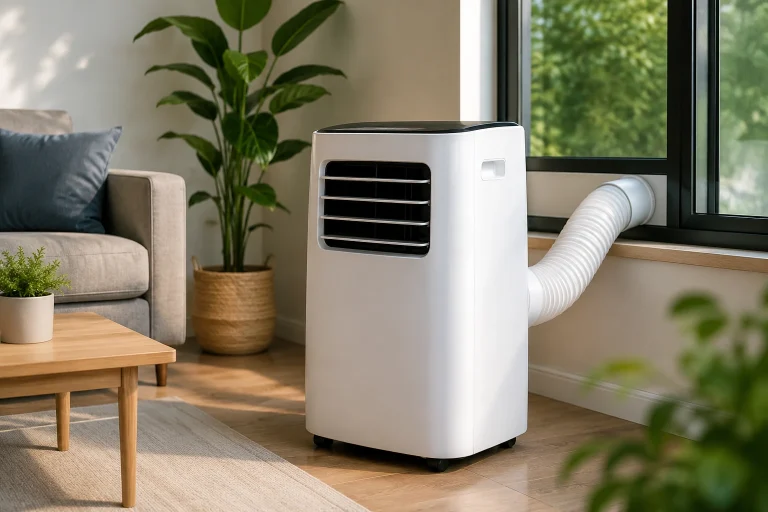
Portable units can work for renters or for rooms that need temporary cooling, but they usually make the most sense when you only need help in one space. If you want a better room-by-room fix, window units may offer stronger cooling for the same area, depending on the layout.
Whole-home AC support is the most comfortable option when it is sized and maintained well, but it also tends to be the biggest investment. If your system already struggles in summer, it may be worth checking ducts, filters, and insulation before buying another small appliance.
For a deeper breakdown, see our guide on how a portable air conditioner works if you are trying to decide whether that style fits your space.
Fans, smart thermostats, blackout curtains, and heat-reflective window treatments
Fans are still one of the best value buys for the Valley because they help you feel cooler without trying to lower the whole room temperature. Smart thermostats can also help households manage cooling more consistently, especially when schedules change during summer.
Blackout curtains and heat-reflective window treatments can make a big difference in sun-facing rooms. They are especially useful in west-facing bedrooms and living rooms that get hammered by afternoon light.
What to look for when buying for SFV homes: room size, energy use, noise, and installation
Do not buy based on cooling claims alone. Match the product to the room size, how often you will use it, and whether the noise level will actually work in a bedroom or office.
Installation matters too. Some products are easy for renters to set up, while others make more sense for homeowners who want a longer-term solution.
- Room size and sun exposure
- Energy use during long summer runs
- Noise level for sleeping or working
- Ease of installation and removal
Budget-friendly upgrades versus higher-impact long-term cooling investments
Budget-friendly upgrades like shades, fans, and reflective covers are often the best first step because they help right away. They also make sense if you rent or plan to move soon.
Long-term investments like insulation improvements, better windows, or a stronger AC system cost more, but they can pay off if you stay in the home and deal with repeated summer heat every year.
Local SFV Heat Readiness: Family Safety, Energy Bills, and Seasonal Planning
San Fernando heat is manageable when you plan ahead, but it can become a real problem during heat waves. Families with kids, older adults, pets, and anyone with health concerns should take warm weather seriously.
It also helps to think about heat as a budget issue. More cooling usually means higher electric use, so the best plan is often the one that keeps the house comfortable without overworking your system.
Recognizing when heat becomes a health concern for kids, seniors, and pets
Watch for signs that someone is not handling the heat well, especially during the hottest part of the day. Kids, seniors, and pets can get overwhelmed faster than healthy adults, particularly if they are outside, in a hot car, or in a room that does not cool down.
If a space feels unsafe, do not wait for it to “maybe get better.” Move to a cooler area, hydrate, and use stronger cooling if needed.
Never leave children or pets in a parked car in San Fernando heat, even for a short stop. Interior temperatures rise fast and can become dangerous quickly.
Summer electricity use in San Fernando and how to manage cooling costs
Cooling costs can climb quickly in the Valley because AC may run for long stretches, especially during heat waves or when the house holds heat overnight. That is why small efficiency improvements matter.
Simple habits like closing blinds early, sealing leaks, and cooling only the rooms you use most can help reduce wasted energy. If your system is older, routine maintenance may also help it run more efficiently.
Preparing for heat waves, power strain, and the hottest weeks of the season
Heat waves are when the Valley feels most unforgiving, especially if the power grid is under strain or your AC is already struggling. It is smart to have a backup plan for cooling, hydration, and where you would go if the house became too hot.
Before the hottest weeks hit, check filters, test fans, inspect window coverings, and make sure your family knows the plan. If you wait until the first brutal day, you are already behind.
Do your cooling prep before the first major heat spike. In the SFV, the households that stay most comfortable are usually the ones that prepare early, not the ones shopping in the middle of a heat wave.
Practical Recap: How to Stay Comfortable When San Fernando Summers Peak
San Fernando summers are hot enough that comfort depends on strategy, not luck. The homes that stay livable usually combine shade, airflow, smart cooling, and a few daily habits that reduce heat buildup.
That is true indoors, outdoors, and in the car. The good news is that you do not need to fix everything at once to feel a difference.
The most effective home, car, and outdoor cooling priorities for SFV residents
Start with the biggest heat sources first: direct sun through windows, hot parked cars, and rooms that trap warmth. Then add the simplest upgrades that give you the most relief, like fans, shades, and reflective covers.
For patios and yards, shade and airflow matter more than fancy extras. For homes, controlling heat before it enters is usually easier than trying to remove it later.
Quick takeaways for families deciding what to buy, adjust, or upgrade first
If you are on a budget, begin with low-cost fixes that cut heat gain. If you can spend more, focus on the room or system that causes the most discomfort every summer.
Either way, the best approach in San Fernando is practical and layered: keep the sun out, move air well, cool only what you need, and plan around the hottest part of the day.
Common Questions
Usually, yes. Inland Valley heat tends to feel stronger because it does not get the same ocean cooling.
Sometimes, but not always enough to fully reset the house. Warm walls and pavement can keep temperatures elevated after sunset.
Start with blackout curtains or reflective window coverings. Then add a fan or targeted AC if needed.
They can be useful for one room or for renters. They work best when matched to the room and used with good sealing and airflow.
Check AC filters, close up sun-exposed windows early, and make sure fans and shade solutions are ready. It is easier to prepare before the hottest day arrives.
Recommended Products
SHOP THIS SETUP
Black + Decker BPACT08WT Portable Air Conditioner, 8,000 BTU
A portable AC is one of the most practical ways to handle San Fernando Valley summer heat, especially if you want to cool a bedroom or home office without a permanent install. This Black + Decker unit is a popular Amazon option because it combines decent cooling power with easy mobility, making it a smart fit for SFV residents dealing with hot afternoons and warm evenings.
Frequently Asked Questions
San Fernando gets hot enough in summer that many residents plan daily routines around the heat. Afternoon temperatures, warm nights, and intense sun can make the Valley feel much hotter than coastal areas.
Because it is inland, San Fernando does not get the same ocean breeze and marine layer that cools beach communities. Direct sun and heat stored in roads and buildings also make the temperature feel more intense.
Sun-facing rooms, upstairs bedrooms, kitchens, and laundry areas usually heat up first. Homes with older windows or weaker insulation often feel the heat even sooner.
Shade is the biggest priority, followed by airflow. Umbrellas, pergolas, shade sails, and fans can all help, but they work best when the sun is blocked first.
Use a reflective windshield cover and park in shade whenever possible. Seat covers, dashboard protection, and window tint can also reduce the blast of trapped heat.
Fans, blackout curtains, reflective window treatments, and a well-maintained AC system are usually the most practical starting points. Bigger upgrades make sense if you deal with repeated summer heat every year.